Step-by-Step Quick Start Guide for eXPerience 8 Embroidery Software
Reading Time: 4 minutes
Welcome to the eXPerience 8 Embroidery Software Quick Start Guide! This tutorial will help you get started with the software, familiarize you with its key features, and guide you through creating and managing embroidery designs. Follow these steps to begin designing right away.

Step 1: Launch the Software and Explore the Welcome Tab
- Start the Application: Open eXPerience 8. The software always opens to the Welcome tab, which serves as your hub for quick access to resources and common tasks.
- Overview of the Welcome Tab:
- Create a New Design: Start with a blank canvas by selecting “Create a new design.”
- Load Existing Designs: Open previously saved embroidery designs or artwork files.
- Import Files: Import embroidery files, photos, or vector images into a new design.
- Design Browser: Use the browser to navigate and locate designs or artwork sources. Click any design to load it.
- Recent Designs: Access recently opened designs from the list. Adjust the preview icon size with the slider or switch to details view for more information.
Step 2: Configure Default Settings
- Select Default Embroidery Machine: Choose your embroidery machine from the options in the Welcome tab to ensure compatibility.
- Set Default Hoop: Pick the hoop size you’ll use most often for your designs.
- Choose Default Fabric: Select a fabric type for new designs. This is important because eXPerience 8 automatically optimizes stitch settings based on the fabric, ensuring high-quality results.
Step 3: Navigate Designs Using Tabs
- Open Designs in Tabs: Each design you create or load opens in a new tab, making it easy to switch between multiple projects.
- Return to Welcome Tab: Click the Welcome tab at any time to access resources or start new tasks.
- Switch Between Designs: Click the tabs at the top to navigate between open designs.
Step 4: Understand the Design Workspace
- Design Area: The central area is your canvas where you create and edit designs.
- Tools Bar: Located on the left, this bar contains the main design tools and working modes:
- Normal Selection Mode: Select and manage design parts.
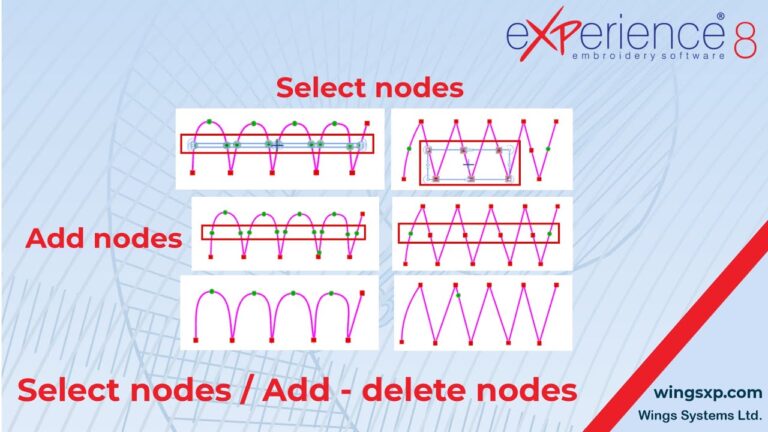
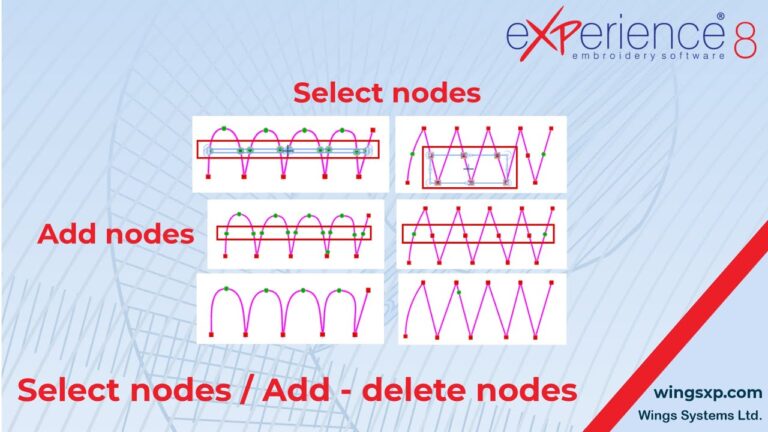
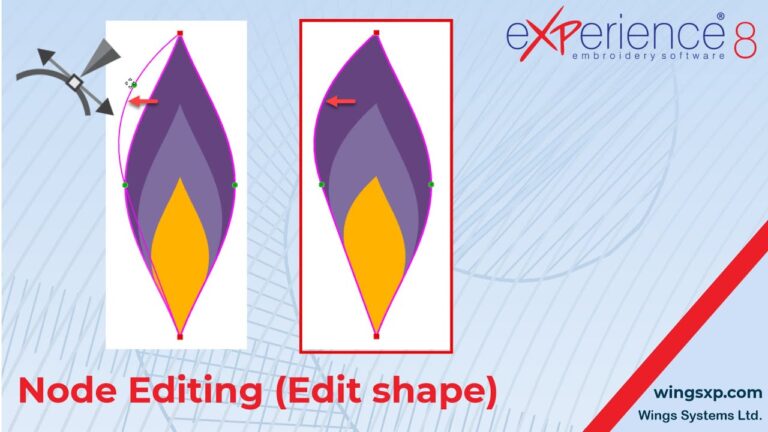
- Node Editor Mode: Edit the shape of a design by adjusting nodes.
- Stitch Editor: Modify individual stitches for precise control.
- Digitize Tools: Create custom shapes from scratch.
- Readymade Shapes: Access pre-built shapes like stars or circles for quick additions.
Step 5: Work with Design Modes
- Understand Working Modes: Most tools in the toolbar act as modes. When you select a tool (e.g., Edit Nodes or Digitize Tools), you can only perform that specific action until you exit the mode.
- Exit a Mode: To switch tasks, return to Rectangle Selection Mode to manage all design parts or choose another tool.
- Example:
- Select Edit Nodes to reshape an object.
- Use Digitize Tools to draw custom shapes, then exit the tool to stop drawing.
Step 6: Use Context-Sensitive Options
- Dynamic Toolbars: The software is context-sensitive, meaning the options in the toolbars change based on the selected design part.
- Edit Properties:
- Tool Options Bar: Adjust size or transform objects using numeric values.
- Properties Bar: Modify design properties like colors or stitch types.
- Mouse Editing: Use your mouse to resize, rotate, or move design elements directly on the canvas.
Step 7: Create and Edit a Design
Follow these steps to build a design:
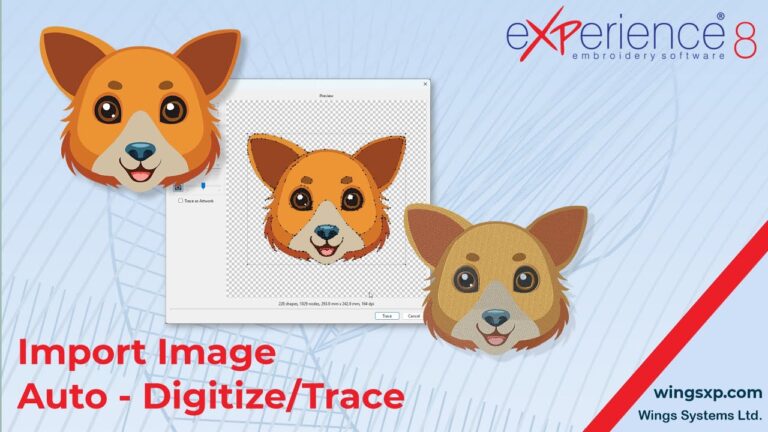
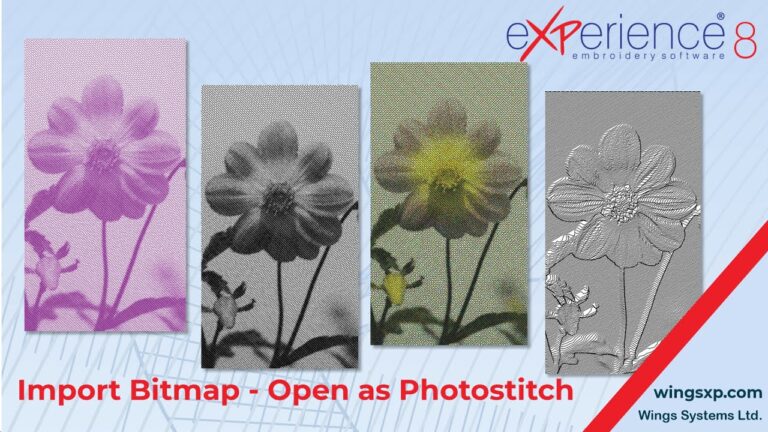
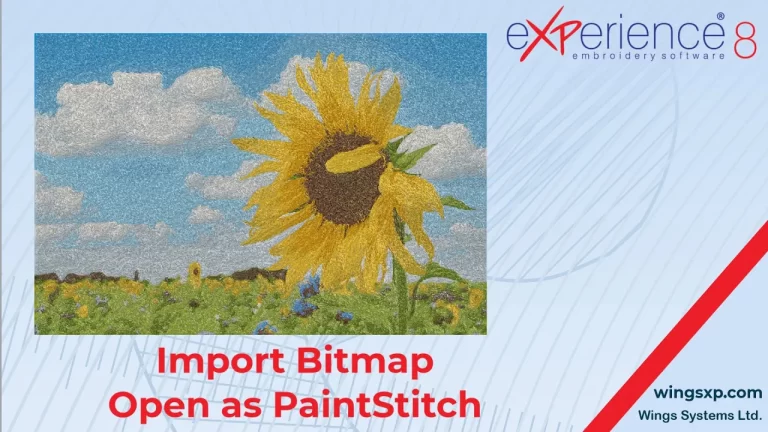
- Import Artwork: Go to the Welcome tab or use the toolbar to import embroidery files, photos, or vector images.
- Transform the Design:
Use your mouse to resize, rotate, or reposition the imported artwork.
Alternatively, enter precise values in the Tool Options Bar. - Change Stitch Types:
Select a design part and choose a new stitch type (e.g., satin, fill) with a single click. - Add New Shapes:
Use the Shape Tool to add readymade shapes like stars or circles.
Use Digitize Tools to create custom shapes. - Edit Colors: Select a design part and change its color via the Properties Bar.
- Fine-Tune: Adjust shapes with the Node Editor or modify stitches with the Stitch Editor for detailed control.
Step 8: Save and Send to Your Machine
- Review Your Design: Ensure you’re satisfied with the design by previewing it in the design area.
- Save the Design: Save your work to avoid losing progress.
- Send to Machine: When ready, send the design directly to your embroidery machine for production.
Step 9: Access Help and Resources
- User Guide: Refer to the comprehensive user guide available through the Welcome tab for detailed instructions.
- Training Videos: Watch tutorials to learn advanced techniques. Access all videos via the Welcome tab and search by section.
- Explore More: Check out additional video tutorials for in-depth guidance on specific tools and features.
Tips for Success
- Experiment Freely: Try different tools and modes to get comfortable with the software’s capabilities.
- Use Tabs Efficiently: Keep multiple designs open for easy comparison and editing.
- Leverage Context-Sensitive Options: Pay attention to the changing toolbars to access relevant settings quickly.
- Save Frequently: Save your designs regularly to preserve your work.
Enjoy creating with eXPerience 8 Embroidery Software! For more advanced features and techniques, explore the user guide and training videos. Happy designing!
This guide is part of the eXPerience 8 Knowledge Base. For further assistance, visit our support resources or contact our team.
eXPerience Facebook Page
Happy crafting and don’t forget to share your creations with us in the
eXPerience Facebook Page!